18 Gloucester Lane
A laneway address that remains one of Toronto’s most evocative landmarks and the former studio and pied-à-terre of acclaimed Canadian filmmaker, Norman Jewison.
-
Status: Active on market
Asking: $7,900,000
Storeys: 5
Size: 9,727 sq ft
Type: Mixed Use (CR)
-
Heritage designated
Four floors of offices
Residential penthouse
Discrete, laneway access
The Space
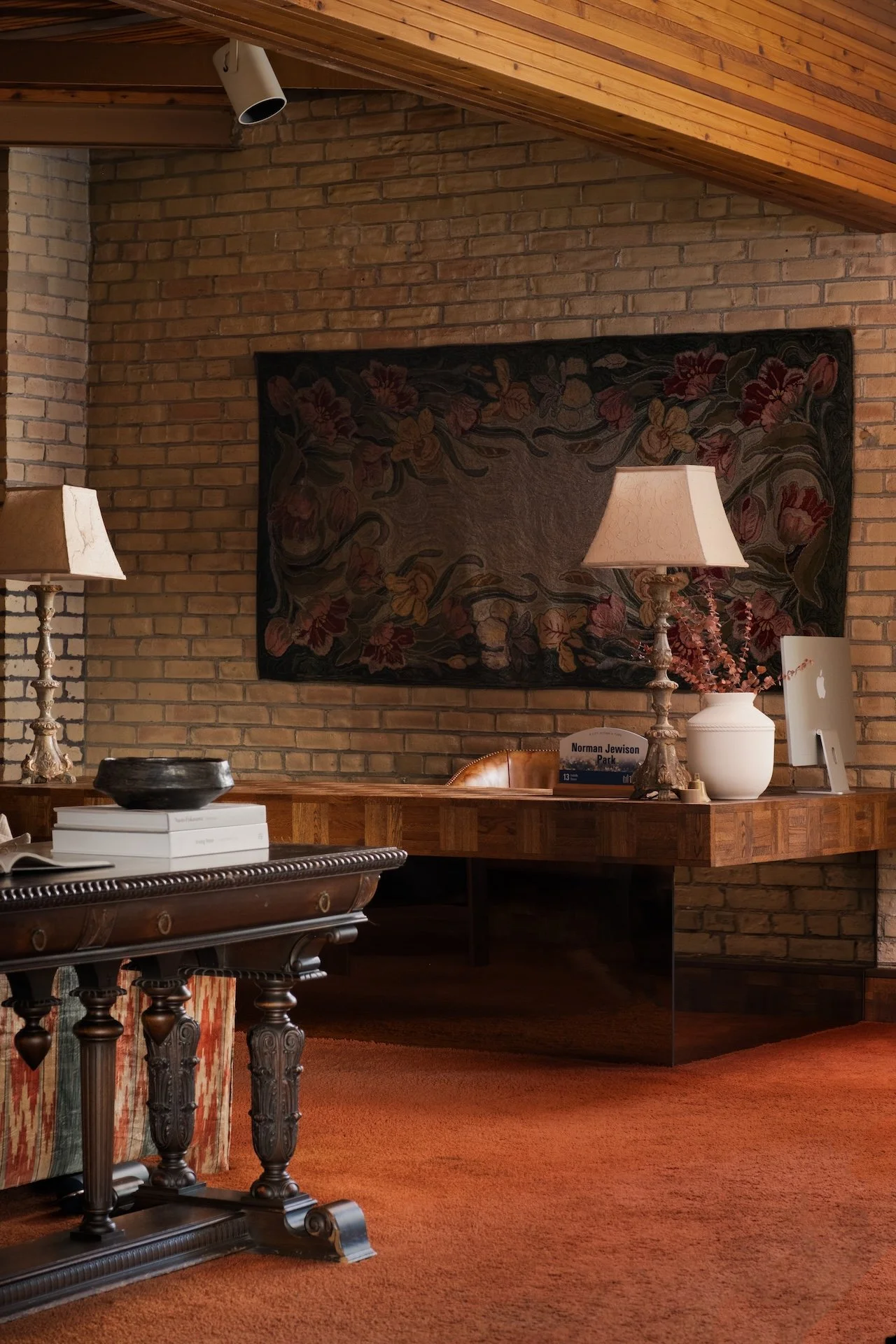
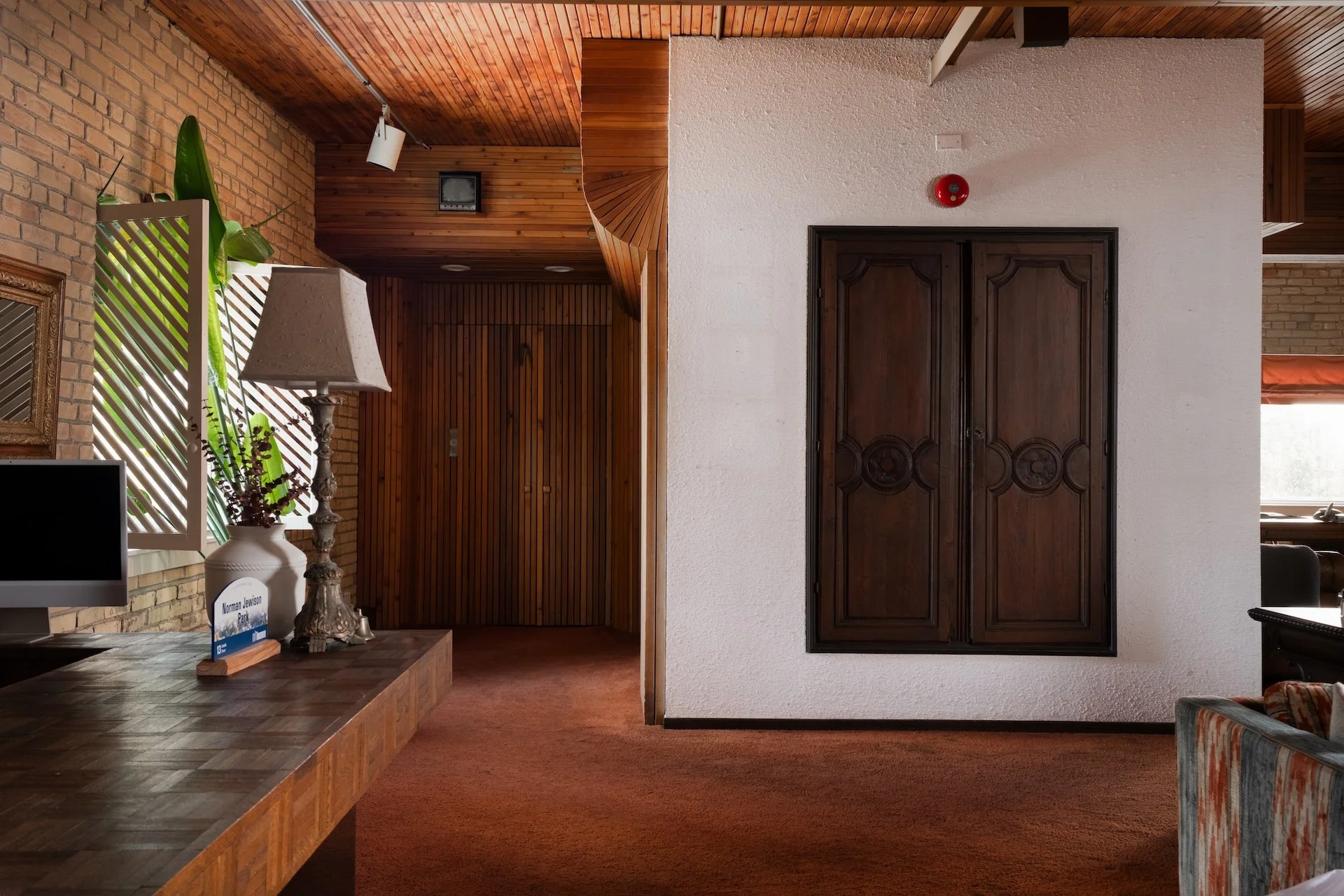
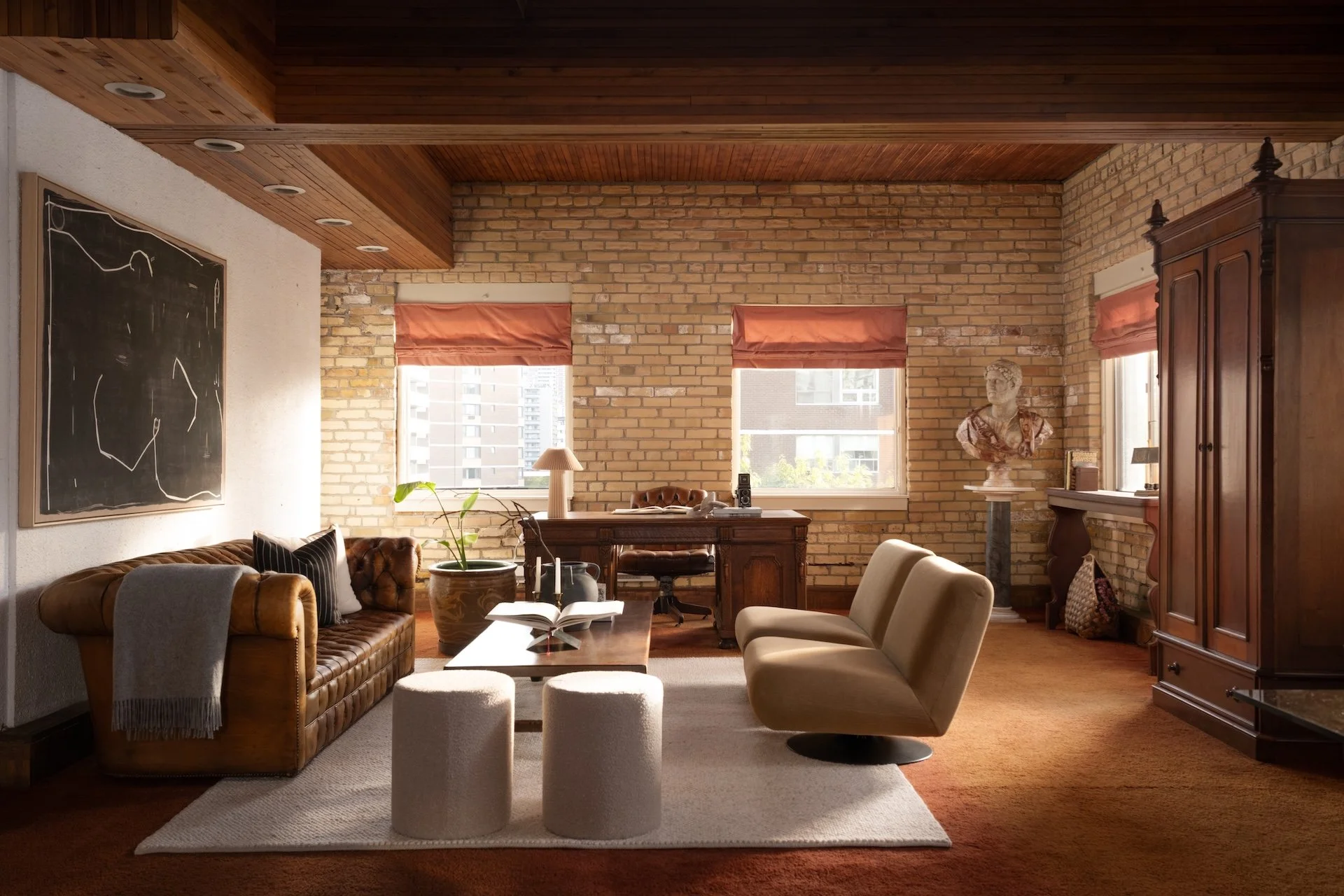
After years abroad and successes in Hollywood, Norman Jewison returned to Canada in the late 1970s and transformed 18 Gloucester Lane into his Toronto production headquarters — a creative base that became both workplace and his pied-à-terre in the city.
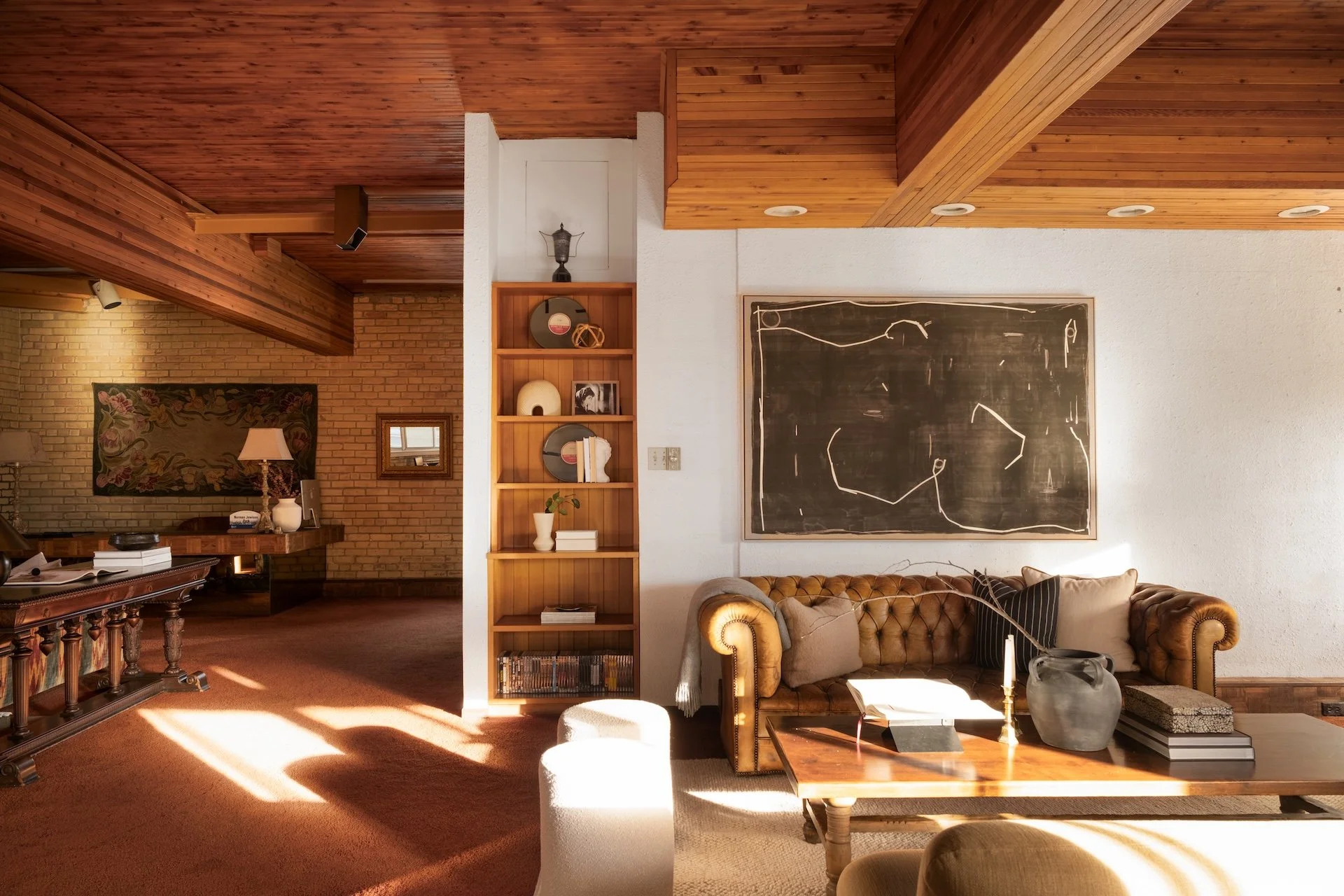
Over four decades, the building was a studio of ideas where film, collaboration, and community converged. Writers and production designers worked through scripts by the fire in winter, while editors and art directors occupied the floors below. The first level housed full post-production facilities, complete with editing rooms and cutting equipment.
The building was the incubator and creative studio for many of Jewison’s most celebrated films, including Agnes of God, Moonstruck, In Country, Other People’s Money, Only You, The Hurricane, and The Statement, among others. Each project unfolded within these walls — written, developed, and refined through the collaborative energy that defined Jewison’s practice. He often referred to the building as his “mini Tribeca” — a nod to Robert De Niro’s creative enclave in New York.
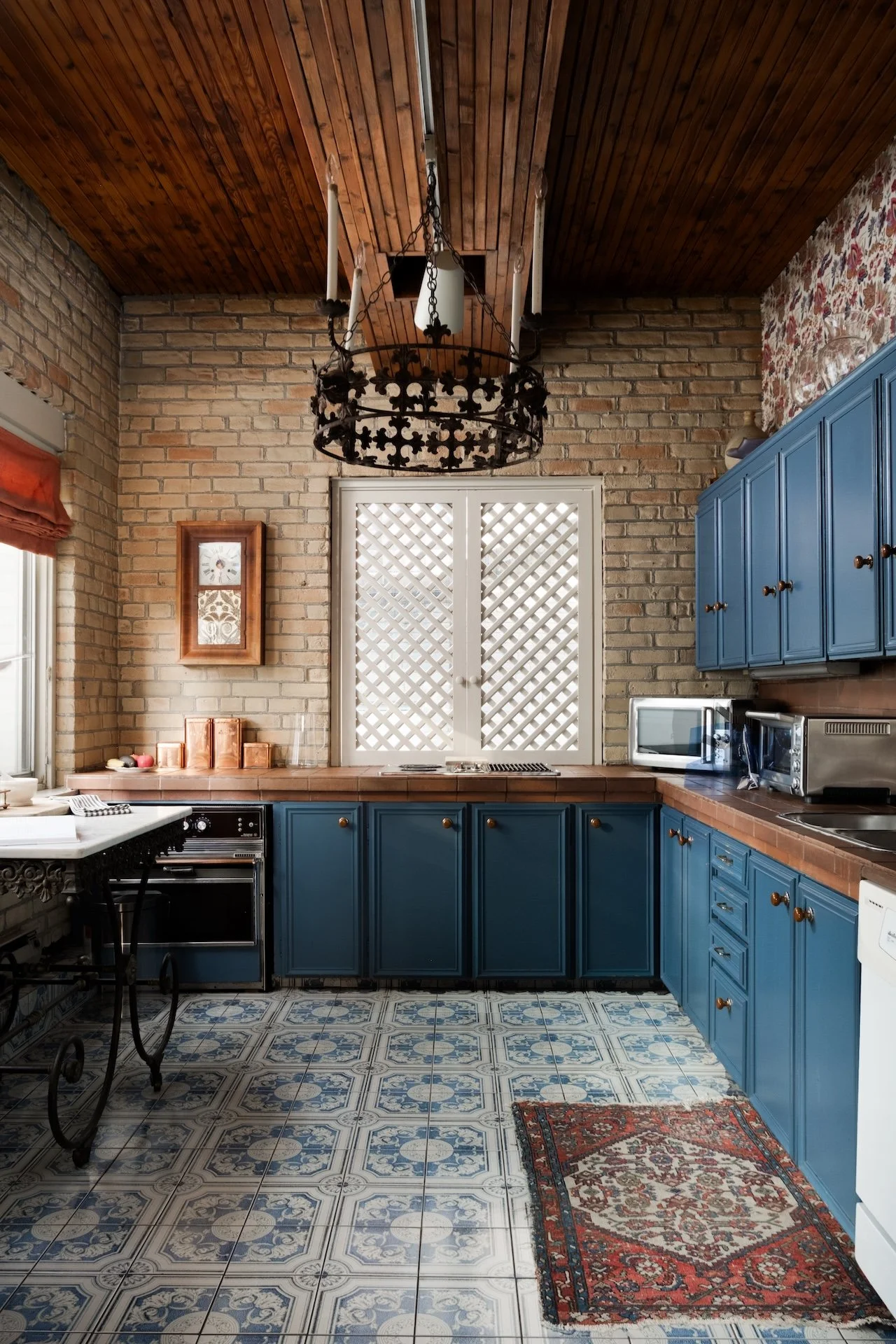
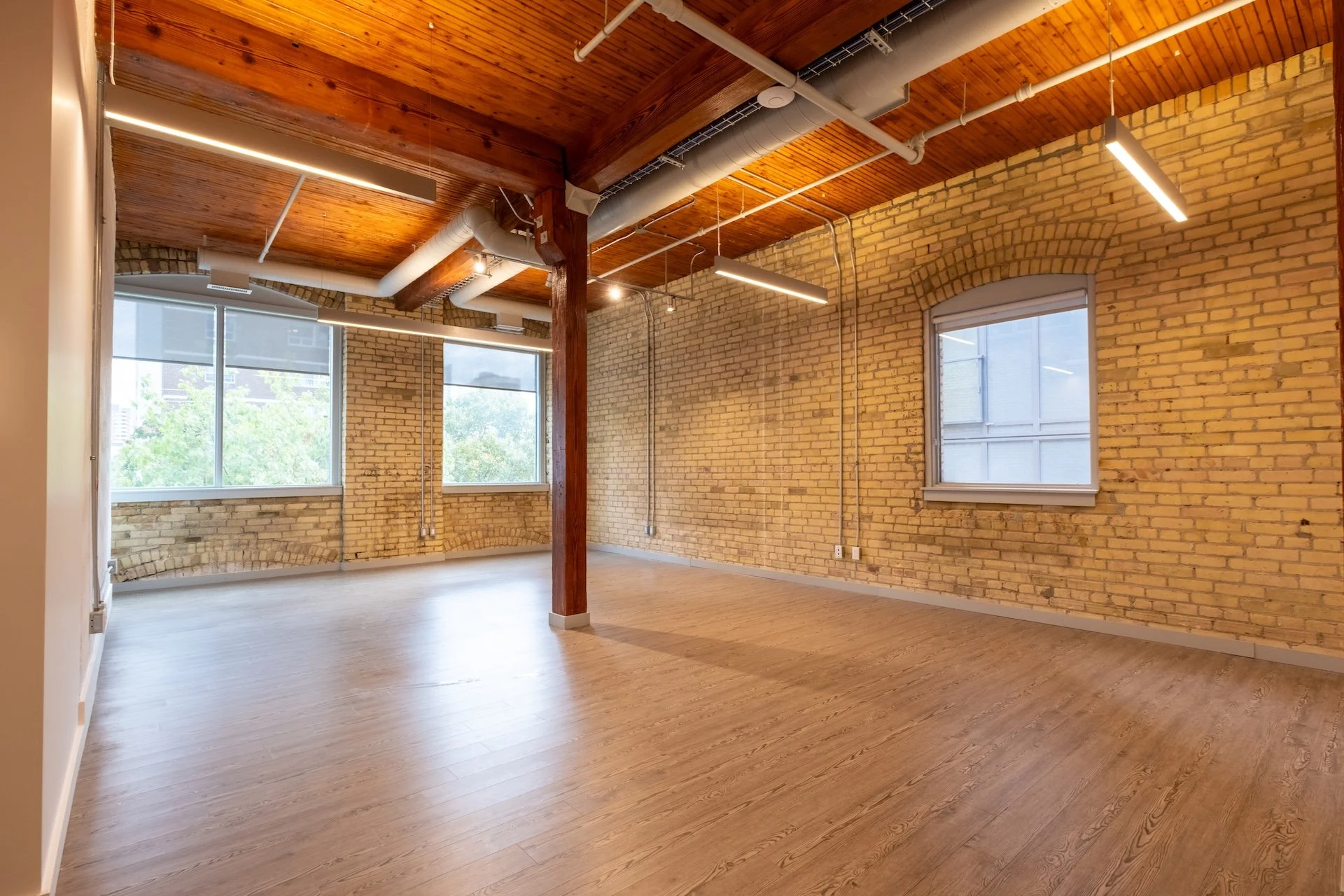
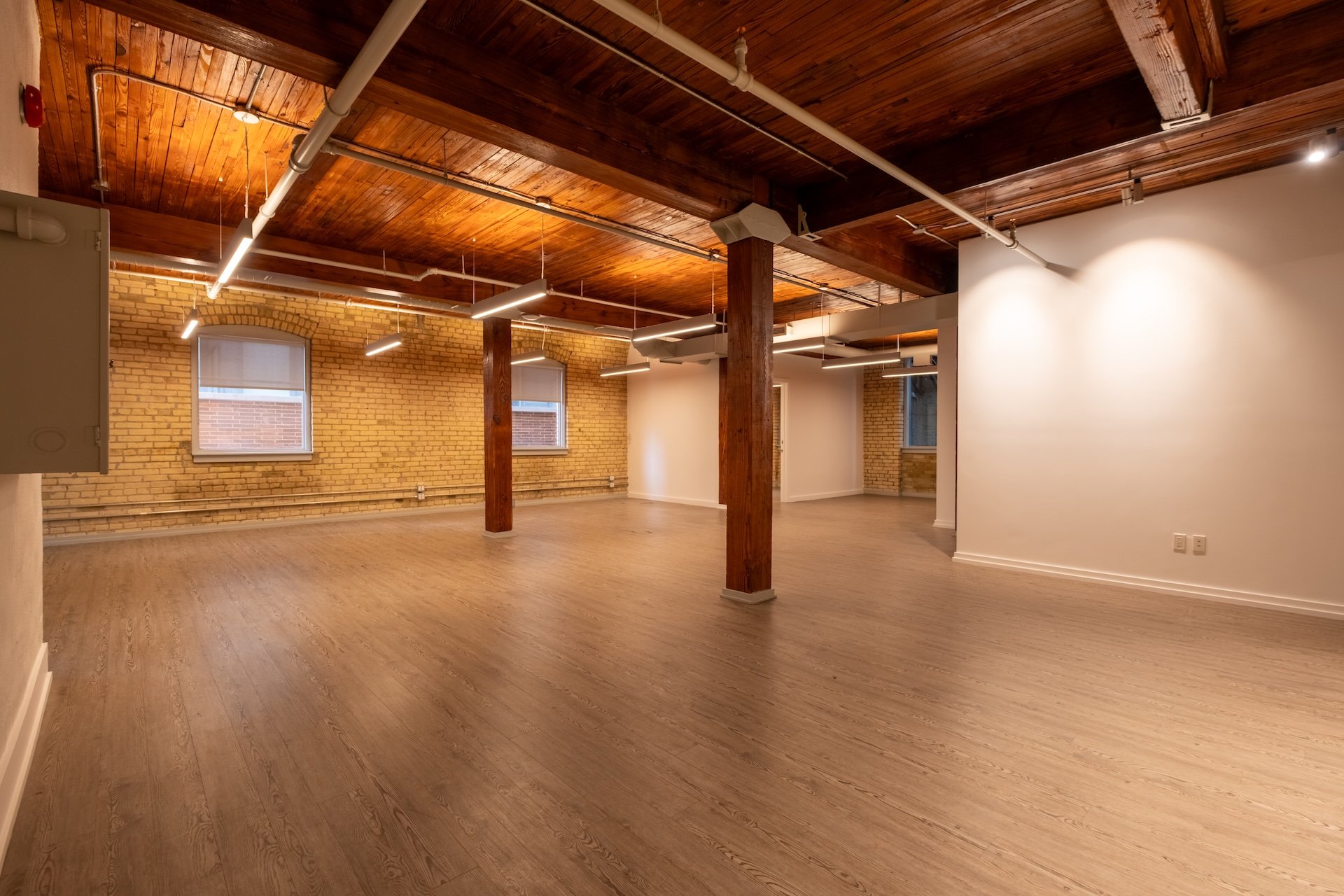
Today, the building operates as a boutique office and residential property offering a ground floor office/retail space, four modernized offices and a penthouse residential suite.
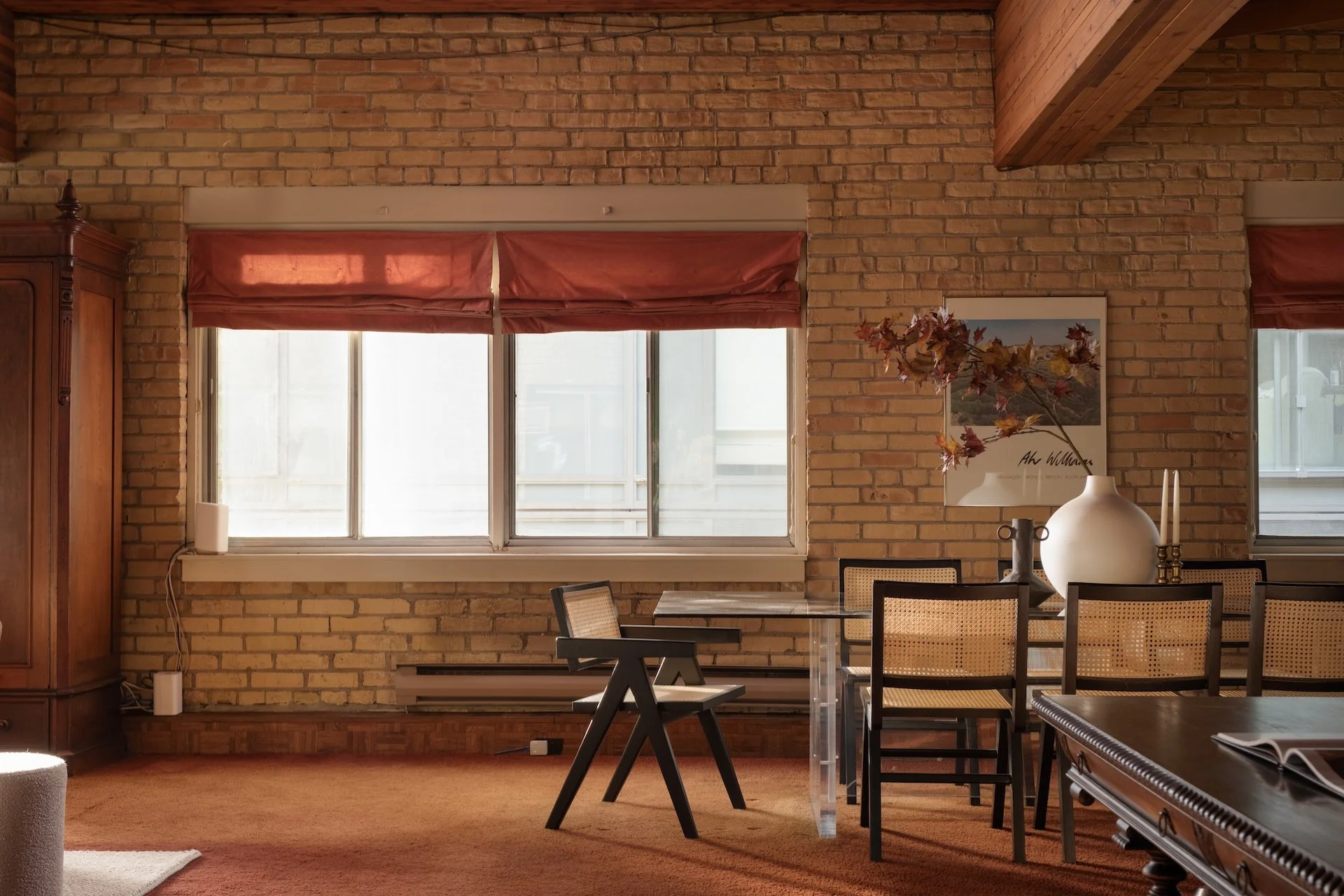
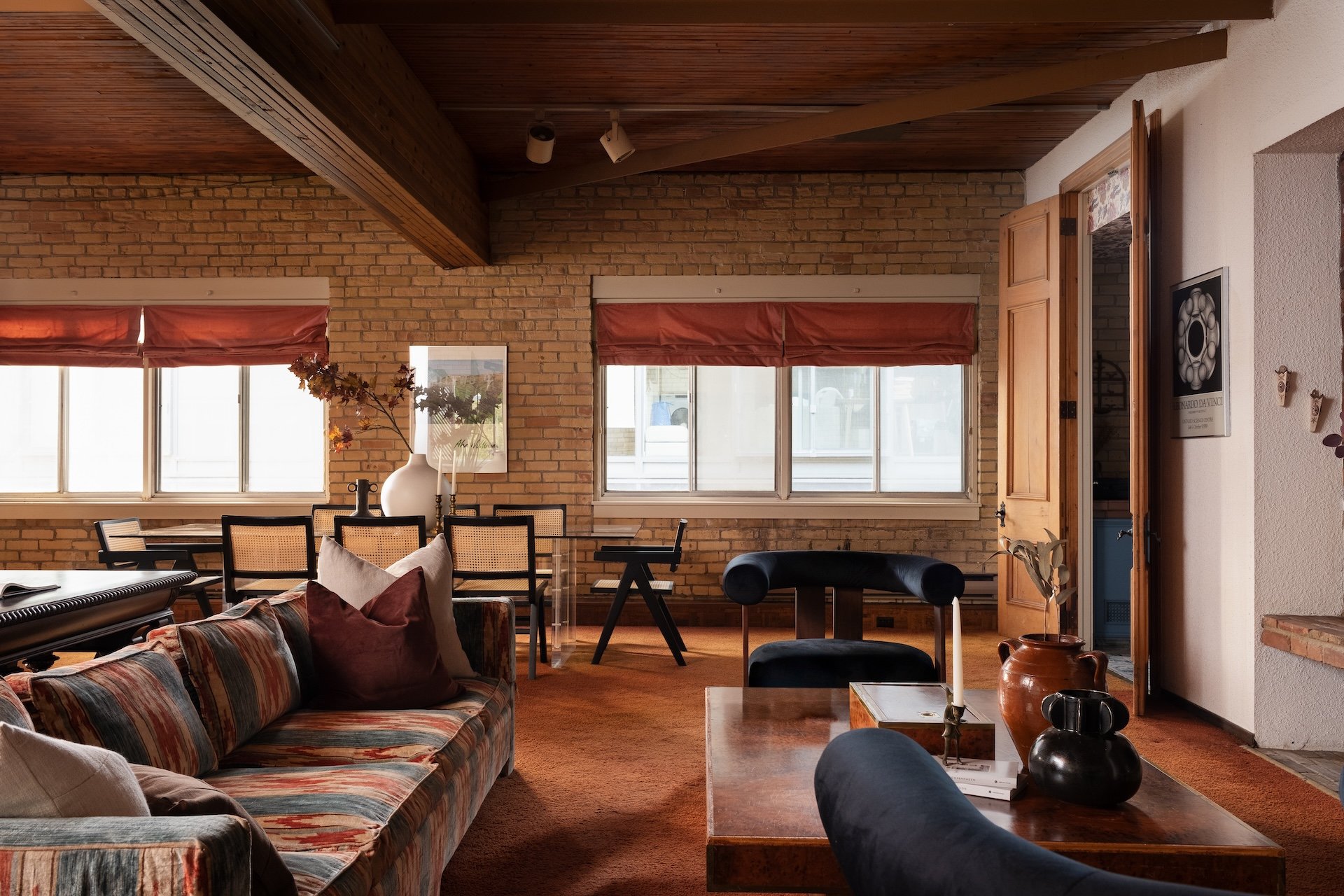
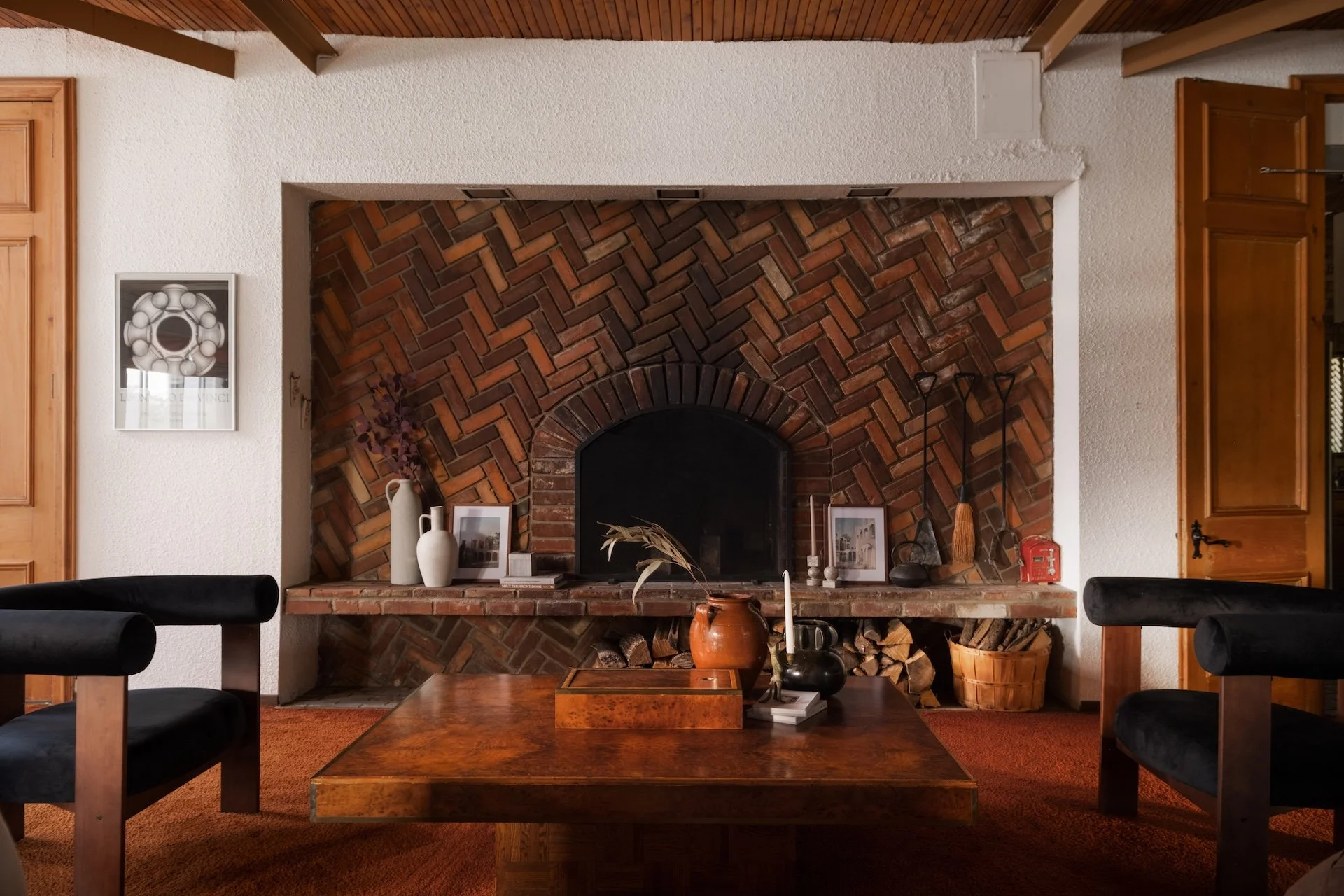
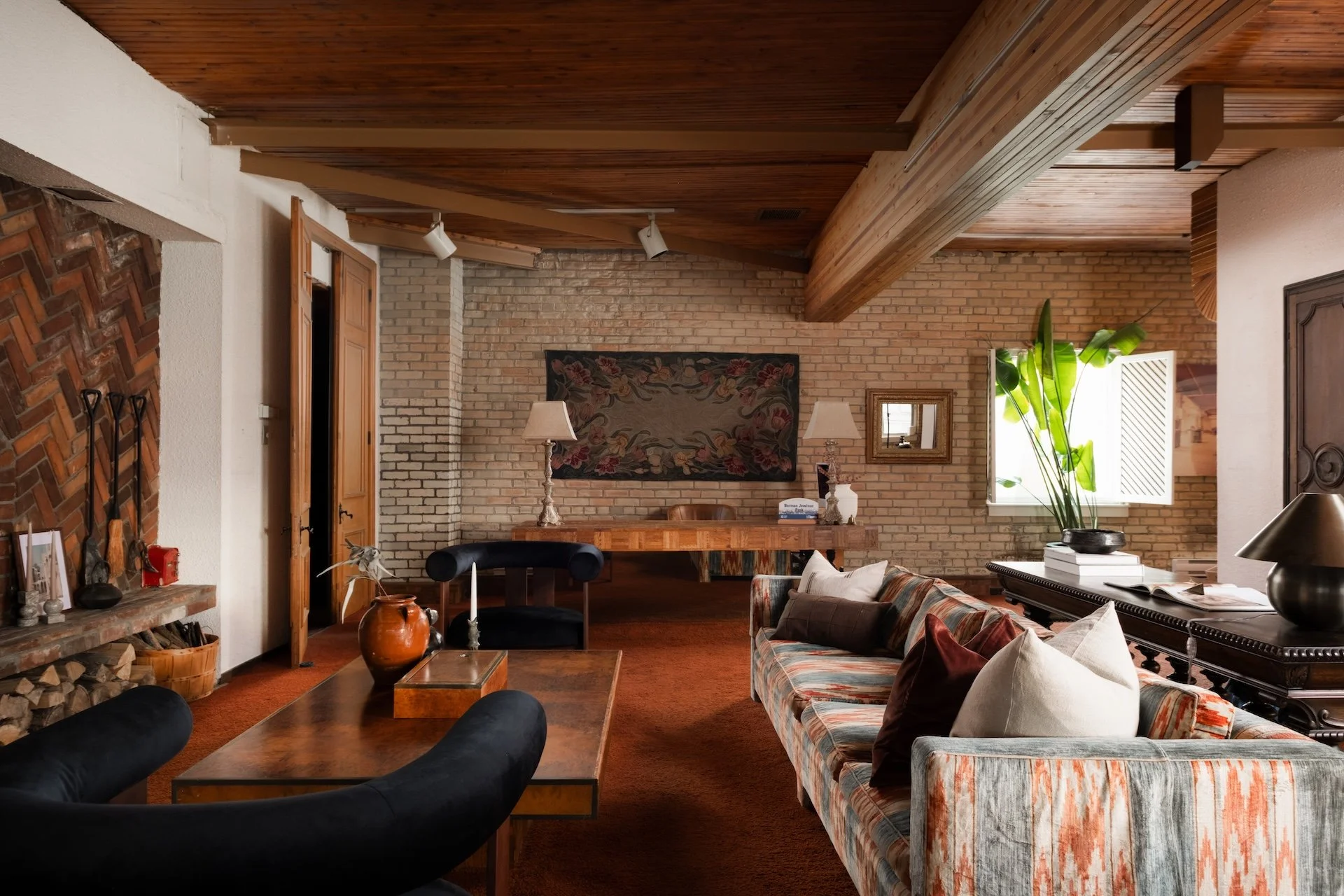
The Building
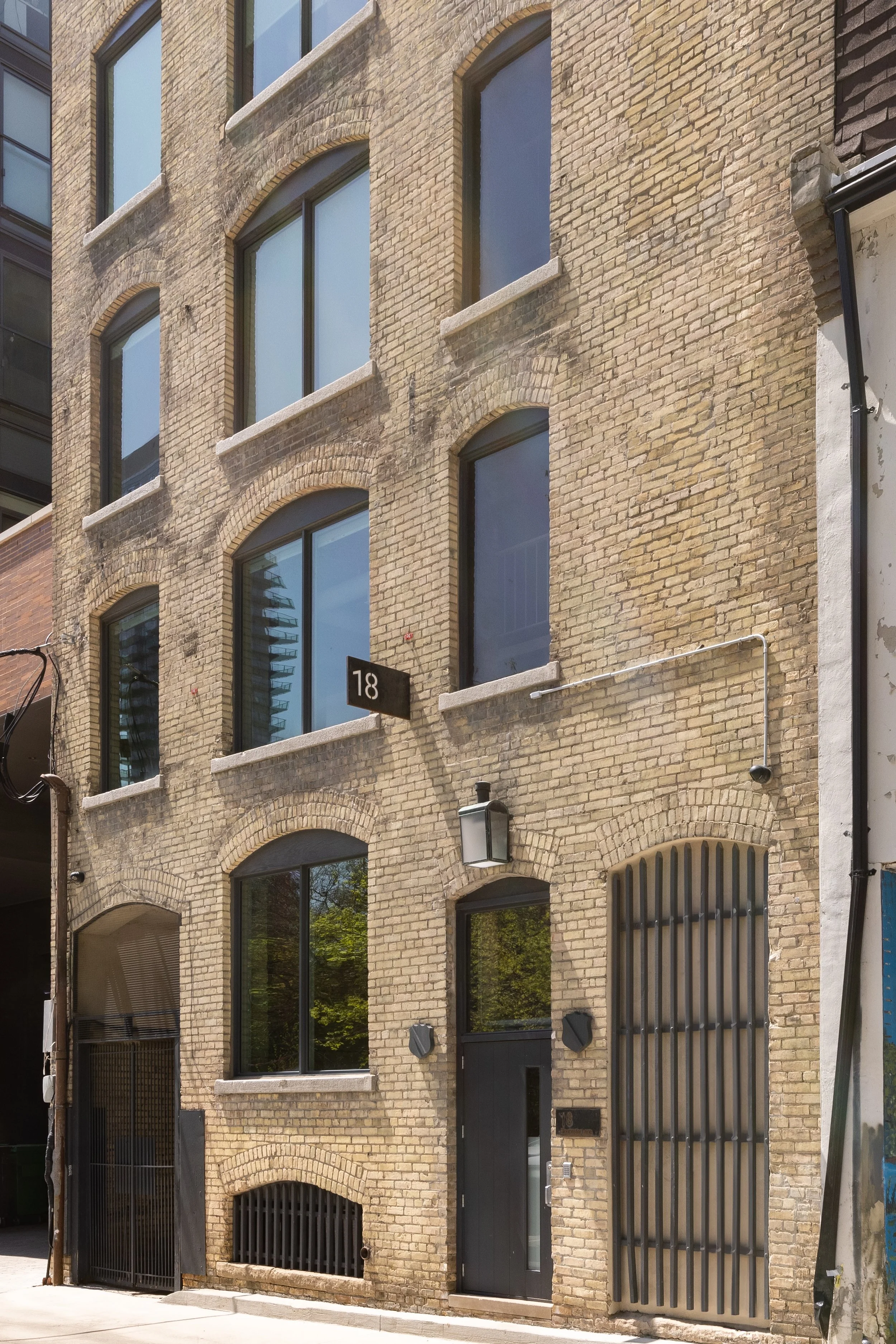
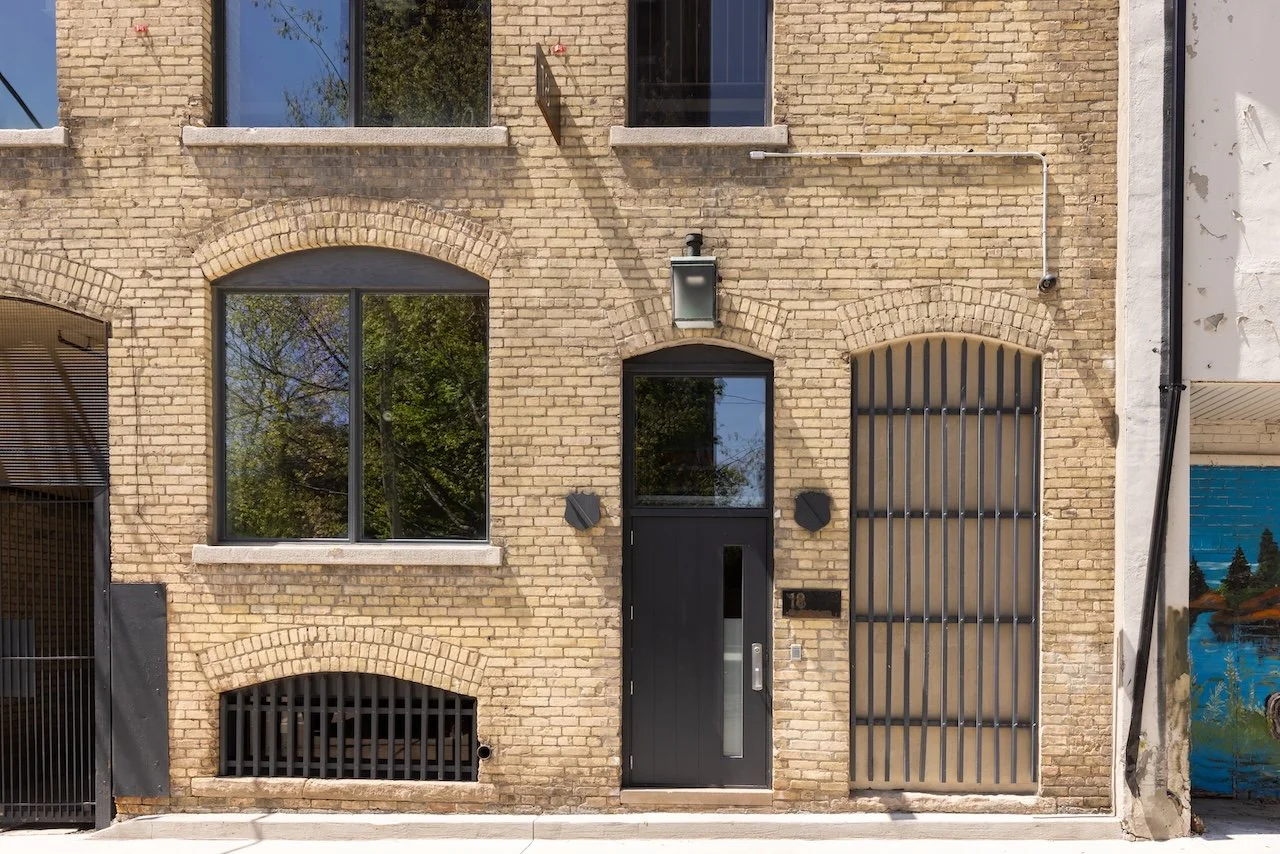
Built in 1912, 18 Gloucester Lane is a rare surviving example of early 20th century industrial architecture in Toronto. Commissioned by Lionel Rawlinson — a prominent cabinetmaker and furniture dealer — the building originally served as a warehouse and repair facility.
Designed by Curry and Sparling — an architectural partnership recognized for their early 20th-century institutional commissions, their design for 18 Gloucester Lane reflects the measured restraint of Edwardian Classicism.
Now listed on the City of Toronto’s Inventory of Heritage Properties, 18 Gloucester Lane stands as one of the few remaining industrial buildings from the city’s early 20th-century building boom. Set among a cluster of historic structures—including the adjacent 1868 Charles Levey Houses, the Patterson Block, and the Robert Bustard Building—it contributes to a cohesive streetscape that captures a defining moment in Toronto’s architectural and commercial evolution.